Free YNAB Alternatives: What You Get Without Paying $109 a Year
YNAB has a loyal following, and for good reason. People who stick with it often say it changed how they think about money. It also costs $14.99 a month or $109 a year after a 30-day trial – and in my test, I couldn’t log a single expense in the first five minutes.
If you like the idea of YNAB but not the price (or the learning curve), here are the free alternatives I tested, what each one does well, and what you give up.
What YNAB actually gives you
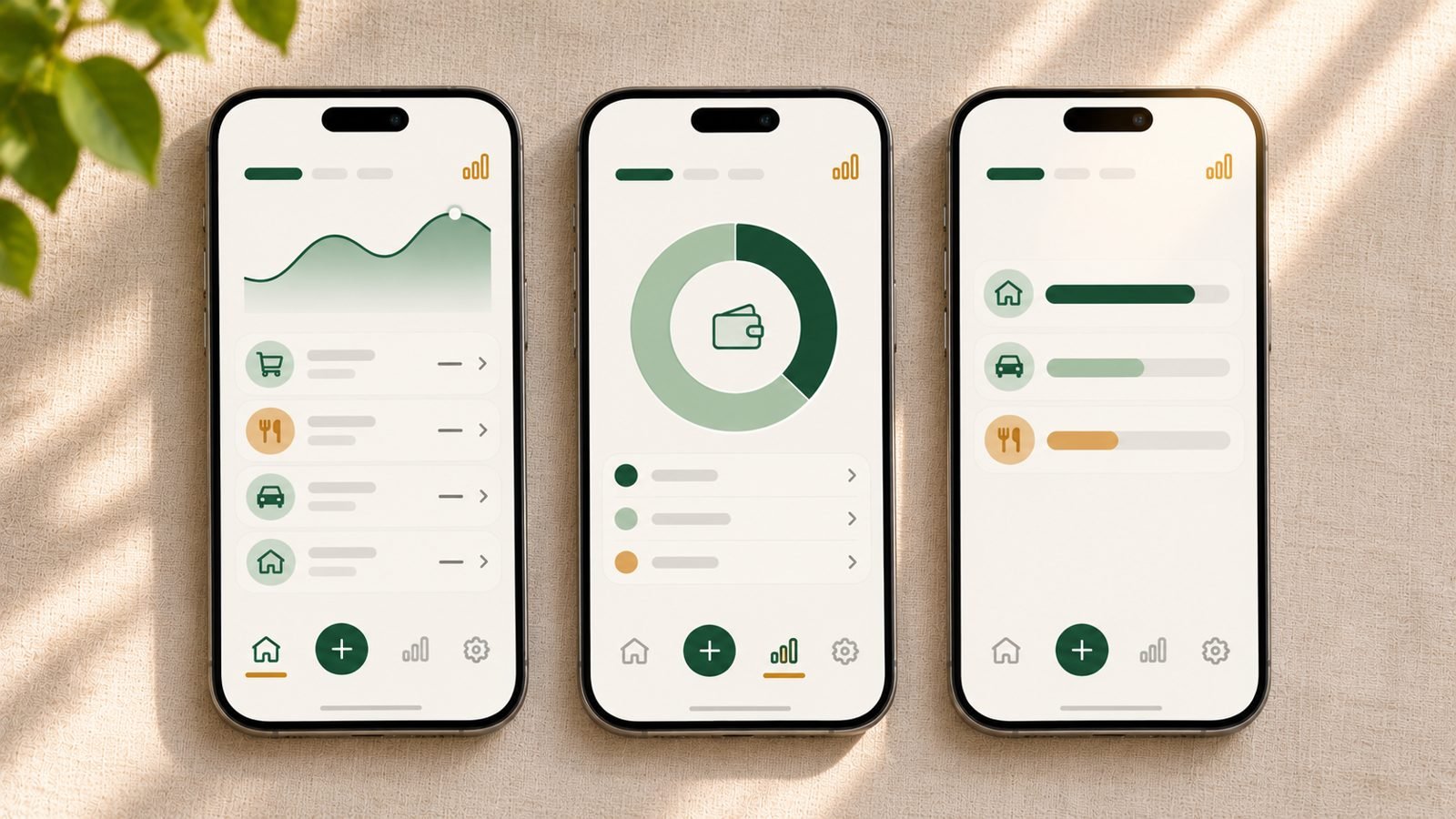
Before looking at alternatives, it helps to know what you’re replacing. YNAB is built around one idea: give every dollar you have a job. When money comes in, you assign it to categories – rent, groceries, savings, that trip in March – until nothing is left unassigned. You plan with money you actually have, not money you expect.
On top of that, you get bank syncing, goals, shared budgets for up to six people, and a lot of educational content.
In recent 1–3 star App Store reviews, the most common complaints were price (about a third), how hard it is to learn (about a quarter), and redesigns that made entering a transaction slower.
Free alternatives, compared
| App | Closest to YNAB in… | Free plan | What you give up |
|---|---|---|---|
| Goodbudget | Planning money before you spend it (envelopes) | Free forever: 20 envelopes, 1 account, 2 devices | Bank sync, unlimited envelopes |
| EveryDollar | A monthly plan where every dollar is assigned | Free manual version | Bank sync; requires a Ramsey account |
| Monefy | – (a tracker, not a planner) | Free with ads | Planning features altogether |
Full details on all 10 apps I tested are in my review. Side by side: YNAB vs EveryDollar, YNAB vs Goodbudget, YNAB vs Monarch.
Goodbudget – the closest free match
(Full review: Goodbudget.)
Goodbudget uses envelope budgeting: you split your money into virtual envelopes before you spend it. That’s very close to YNAB’s “give every dollar a job.” The free plan doesn’t expire and includes 20 envelopes (10 monthly, 10 annual), which is enough for most simple budgets.
The catch: you need to understand envelopes. The app never really explained them to me, and its “Fill for me” button added income I didn’t have. If you already know YNAB’s method, though, Goodbudget will feel familiar.
EveryDollar (free version) – the full monthly plan
EveryDollar is a zero-based monthly budget: income minus every planned expense equals zero – very close to YNAB’s idea. The first screens are friendly: a calm question about payday, categories picked by tapping, a debt payoff goal.
The catch: to see your plan, you create an account on a separate Ramsey website. After that came about 15 more questions (annual income, birthday, kids, retirement, emergency fund) before I could log an expense, and the app put me on a 14-day Premium trial that I had to cancel myself. Ramsey says a free manual version exists; bank connection is Premium at $79.99 a year.
Monefy – if you mostly want to know where money goes
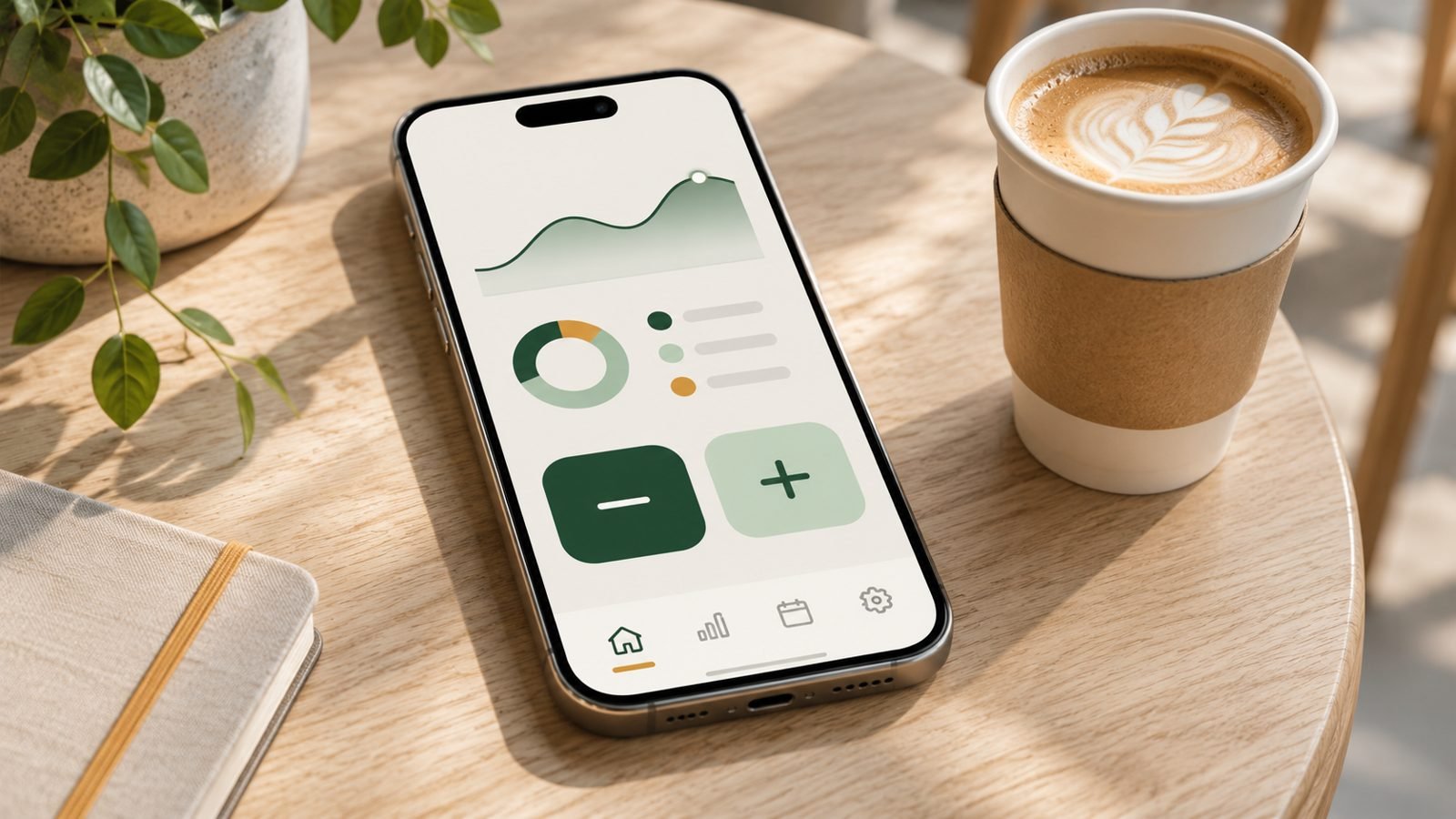
Monefy isn’t a YNAB-style planner. It’s a tracker: log what you spend, see it by category. If YNAB felt like too much, this might be what you actually needed – see what “simple” really means. Monefy opens straight to a minus and a plus button. (Finro is just as quick, but it isn’t free: a 3-day trial, then $5.99 a week.)
The catch: no “every dollar has a job” planning. You see the past, not the plan.

You can keep the method and drop the app
The most useful part of YNAB is the idea, and the idea is free:
- Plan only with money you have. Not next week’s paycheck. What’s in the account today.
- Give it jobs. Bills coming up, debts, savings, everyday spending – until nothing is left unassigned.
- Adjust when life happens. Overspent on groceries? Move money from another category. No guilt, just a change.
- Save for big irregular costs monthly. Car insurance, holidays, annual subscriptions – a little each month instead of a shock once a year.
That works in Goodbudget, in EveryDollar, in a spreadsheet, or in a notebook.
Who should just pay for YNAB
To be fair: if you want bank syncing, a shared budget with a partner, and you’re ready to learn a system, YNAB is excellent at what it does – and the people who stick with it tend to love it. The free alternatives make more sense if price is a real concern, if you don’t want to link a bank (budget apps that work without one), or if you tried YNAB and found it too complicated.
New to plan-first budgeting? See how zero-based budgeting works and envelope budgeting apps, free and paid.
The bottom line
The closest free alternative to YNAB is Goodbudget, if you’re comfortable with envelopes, or EveryDollar’s free version, if you prefer a monthly plan and don’t mind a Ramsey account and a long setup. If YNAB felt like too much, a simple tracker like Monefy might be the better first step – and you can still use YNAB’s best idea, for free, in any of them.
Prices checked November 2026 on the US App Store. They change often – check before you subscribe.
Frequently asked questions
Is there a free version of YNAB?
No. YNAB offers a 30-day free trial, then costs $14.99 a month or $109 a year (prices checked November 2026). There's no permanent free plan.
What is the closest free alternative to YNAB?
Goodbudget and EveryDollar's free version are the closest. Both are plan-first budgets: you decide where money goes before you spend it. Goodbudget uses envelopes and is free forever with 20 envelopes. EveryDollar's free version is a manual monthly zero-based budget.
Can I use YNAB's method without the app?
Yes. The core idea – give every dollar you have a job, and plan with money you actually have rather than money you expect – works in any app, in a spreadsheet or on paper. Many people learn the method and then use a simpler or cheaper tool.
Why is YNAB so popular if it costs money?
People who stick with it often say it reduced their money stress and helped them pay off debt. In recent reviews, that sense of control is the most common reason for 5-star ratings. The most common complaints are price, the learning curve and interface changes.
Keep reading
 The Simplest Free Budget App: What "Simple" Actually Means (I Tested 10)
 Budget App Without Bank Connection: Which Ones Work Without Linking Your Account
 How to Budget With Irregular Income (When No Two Months Look the Same)
See all 10 budget apps compared · Which app fits you? 1-minute quiz · All articles
Want a simpler budget app?
One email when the app is live on the App Store. No spam.
This article shares my own experience. It isn't financial advice.