Debt Payment Tracker: Which Debt to Pay First and How to Track It
Most people who owe money don’t have one debt. They have a few: a credit card or two, a car or personal loan, maybe taxes they’ve been putting off, maybe money borrowed from a friend who has never once sent a reminder.
The money itself often isn’t the worst part. The worst part is that it lives in five different places – banking apps, a letter in a drawer, your own head – so there’s never a full picture. Every month you pay whatever feels most urgent and hope the rest will wait.
A debt payment tracker fixes exactly that. Here’s how to set one up, the two common ways people decide what to pay first, and what I’ve learned about keeping it going.
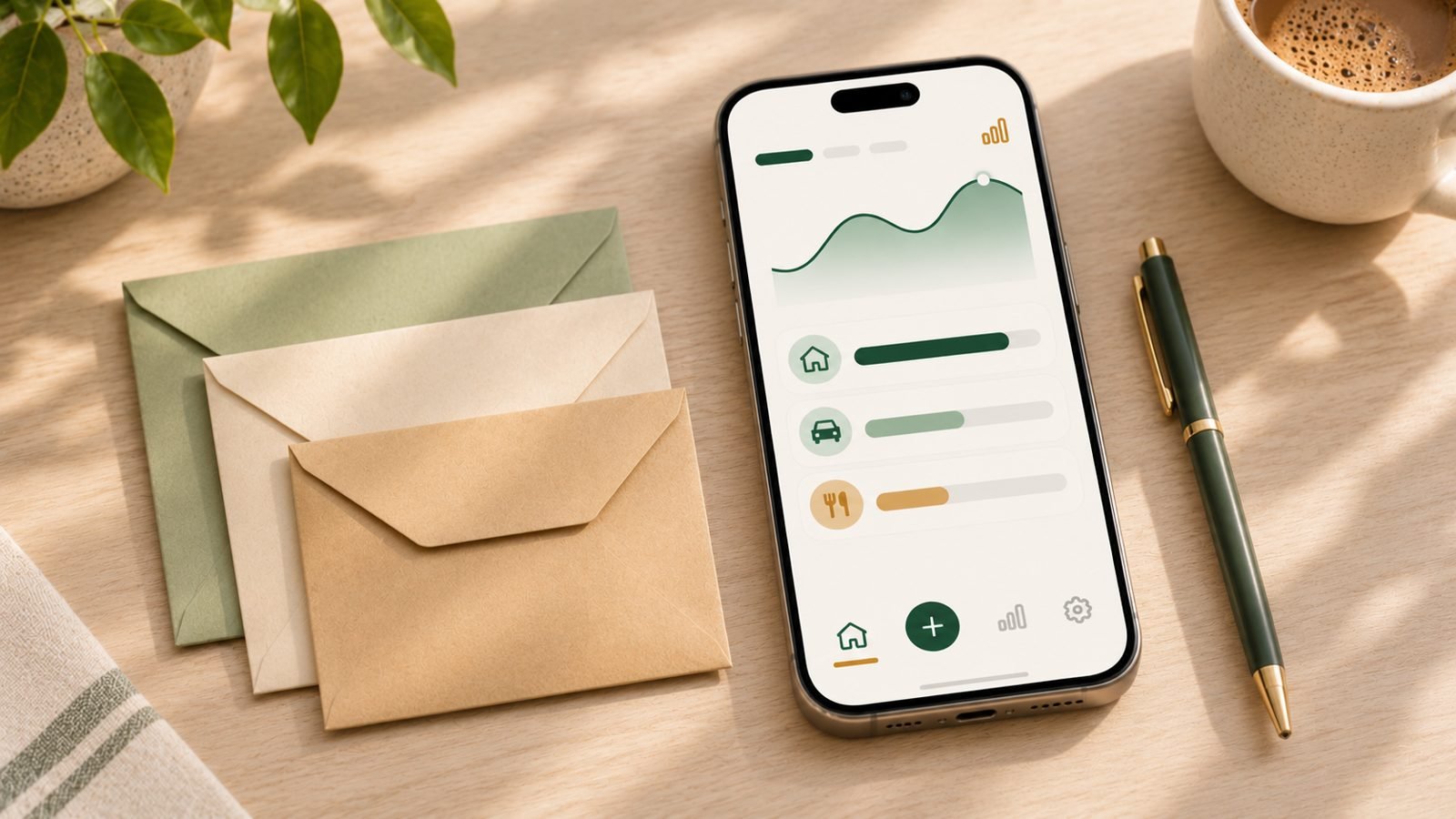
Step 1: Put every debt in one list
For each debt, write down five things:
- Who you owe. The card, the lender, the tax agency, the person.
- How much is left. Today’s balance, not the original amount.
- The minimum payment. If there isn’t one, write what you agreed.
- The due date. Day of the month, or “agreed: by spring.”
- The interest rate. If there’s no interest, write 0%.
Include the ones that feel awkward: back taxes, a loan from your brother, the deposit you still owe a contractor. A list with gaps gives you a false sense of how things are going.
Step 2: Cover the minimums first
Before choosing what to pay extra, make sure every minimum payment is covered every month. Missing a minimum usually means late fees, and with some debts, a hit to your credit or a bigger problem with the lender. Your tracker should show the minimums and their due dates first, so nothing slips.
Step 3: Choose what gets the extra money
Any money left after minimums can go toward one debt at a time. There are two common ways to pick which one:
Highest interest first (the “avalanche”). You put extra money toward the debt with the highest interest rate. Mathematically, this usually costs the least in total interest.
Smallest balance first (the “snowball”). You put extra money toward the smallest debt, whatever its rate. You close debts sooner, and each one that disappears is one fewer bill to think about. Many people find that the quick wins keep them going.
Neither is “right” for everyone. Some people start with one small debt to get a win, then switch to highest interest. Some put a personal debt first because the relationship matters more than the rate. The important part is choosing an order and writing it down – so every extra dollar has somewhere to go instead of being decided month by month.
This is general information, not advice for your situation. If your debts feel unmanageable, a nonprofit credit counselor can review them with you, often for free.
Step 4: Log every payment
Each time you pay, update the balance. That’s it. Over a few months, this one habit does more than any app feature:
- You see the total going down, even when it’s slow.
- You notice when a balance isn’t moving because interest eats most of the payment.
- You know exactly what’s left when someone asks – including yourself, at 2 a.m.

What to look for in a debt tracker app
- All kinds of debt. Not just cards and loans – taxes and money owed to people too.
- A payment order you choose. The app shouldn’t decide for you.
- One step to log a payment. Ideally, logging a payment also counts as an expense, so you don’t record it twice.
- Progress you can see. A bar or a number that goes down. It matters more than it sounds.
- No bank connection required. Personal debts and tax debts aren’t in any bank feed anyway.
In my test of 10 budget apps, the ones built around linked accounts (Monarch, Copilot) track card and loan balances automatically but can’t see what you owe a person. Goodbudget has debt accounts with a progress report, but you need to find them under its settings. EveryDollar is built around paying off debt but asks for an account on its website first.
What I wanted was simpler: one list with every kind of debt, an order I choose, and a “log a payment” button that also records the expense. That’s part of the app I’m building.
Keep it going
- Update it on payday and on due dates. Two moments a month is enough.
- Celebrate closed debts. Cross it out, delete it, tell someone. It’s a real milestone.
- Re-check your order every few months. Rates change, a promo period ends, a new debt shows up.
- Don’t hide from the list. The weeks you least want to open it are usually the weeks it helps most.
The bottom line
A debt payment tracker doesn’t need to be fancy. Every debt in one list, minimums covered, one debt getting the extra money, and every payment logged. Start with the list – just writing it all down is often the hardest and most useful step.
Frequently asked questions
What's the best way to track debt payments?
Keep every debt in one list – who you owe, how much, the minimum payment, the due date and the interest rate – and log each payment as you make it. An app works, a spreadsheet works, a notebook works. What matters is that all debts are in one place and you update it every time you pay.
Should I pay off the smallest debt or the highest interest debt first?
Those are the two most common approaches. Paying the highest interest rate first (often called the avalanche method) usually costs less overall. Paying the smallest balance first (the snowball method) gives quicker wins, which helps some people stay motivated. Many people mix the two. If you're unsure, a nonprofit credit counselor can look at your actual situation.
Should I include money I owe to friends or family?
Yes. Personal debts are easy to forget because there's no statement or due date, but they still affect your money and often your relationships. Put them in the same list, even if the 'due date' is just 'when we agreed.'
Do budget apps track debt?
Some do. Monarch and Copilot pull balances from linked loan and card accounts. Goodbudget has debt accounts with a progress report. EveryDollar centers its plan on paying off debt. Simpler trackers like Monefy don't have a separate debt section.
Want a simpler budget app?
One email when the app is live on the App Store. No spam.
This article shares my own experience. It isn't financial advice.